
wet process of cement production flow sheet manufacturer Grasping strong production capability, advanced research strength and excellent service, Shanghai wet process of cement production flow sheet supplier create the value and bring values to all of customers.
 WhatsApp)
Recycled materials in cement . In 2006, the cements manufactured by Lafarge had an average additive content of 23%. These additives were of natural origin, such as limestone and volcanic rock, or industrial origin, for example blast furnace slag (a steel industry by .
Presently, about 78% of Europe's cement production is from dry process kilns, a further 16% of production is accounted for by semi-dry/semi-wet process kilns, and about 6% of European production now comes from wet process kilns due to the nature of the available raw materials.
Process flow sheets: Production Process of Mini Cement Plant. Jun 20, 2011 · Raw Materials The major raw materials required for the production of cement are limestone, clay, sandstone, gypsum and pumice. The dry process of cement . »More detailed
What Are the Differences Between the Wet and Dry Processes of a Cement Manufacturer? The wet process of cement manufacturing involves adding water to finely crushed raw material, such as limestone, clay or iron ore, in a proportion of 35 to 50 percent water to 50 to 65 percent raw material to make a slurry that is fed into a cement kiln ...
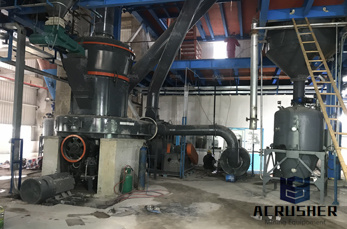
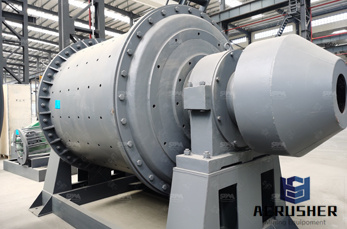
Cement grinding. As the last process, the cement grinding will consume a great deal of electricity. And in this process, special size granule cement will be obtained. (7). Cement Packaging. The cement can be transported in bulk or in bags. 2.Wet cement process. The manufacture of cement is a very carefully regulated process comprising the ...
Mar 28, 2018· Wet process Mixing of Raw materials in wash mill with 35 to 50% water. Materials exiting the mill are called "slurry" and have flow-ability characteristics. Size of the kiln needed for manufacturing of cement is bigger. Raw material can be mixed easily, so a better homogeneous material can be obtained Fuel consumption is high i.e.,.
Classification Code (SCC) for portland cement plants with wet process kilns is 3-05-006, and the six-digit SCC for plants with dry process kilns is 3-05-007. Portland cement accounts for 95 percent of the hydraulic cement production in the United States. The balance of domestic cement production is primarily masonry cement. Both of these
From crisp packets to concrete buildings: the European Cement Industry demonstrates how everyday waste fuels cement manufacturing CEMBUREAU's response to The Guardian's 'Concrete Week' Eurelectric and Energy-intensive industries call for an ambitious and comprehensive EU Industrial Strategy to enable industry's contribution to the EU ...
esses respectively. Furthermore, the average total energy cost of production showed that wet process is approximately 40% more cost intensive in cement production than the dry process while at the same time it is cost effective to run production on energy through gas powered plant than the national grid.
wet process was mostly preferred because the homogenization of wet raw materials was easier than that of dry powders. The wet process also enables an easier control of the chemical composition of the raw mix. However, the wet process is more energy intensive and Fig. 1 - Simplified cement production process.
Aug 30, 2012· The remaining cement is shipped in bulk quantities by mean of trucks, rails or ships. Cement Manufacturing Process Flow Chart. After explaining the complete process of cement making, flow chart would be like that. flow chart present the summary of whole process as shown below.
Aug 05, 2019· This video is unavailable. Watch Queue Queue. Watch Queue Queue
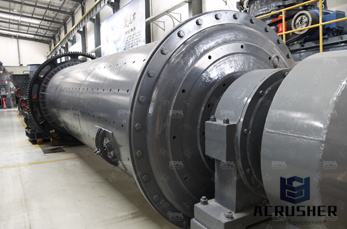
Methods of Manufacturing Process of Cement. At present Portland Cement is manufactured by two processes, Dry Process, and Wet Process. The main difference between these two methods of manufacturing of cement is that in the dry process, calcareous and argillaceous raw materials are fed into the burning kilns in a perfectly dry state.
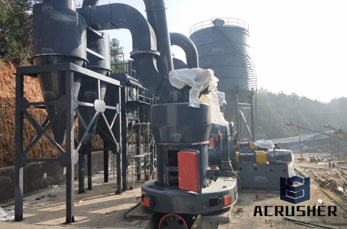
Jun 09, 2019· In dry process for manufacturing of cement, the raw materials are dried and reduced in size to a fine powder in to grinding mill. The dry powder is called the raw meal. The raw meal is pumped into a blending silo. The raw meal is blended by passin...
Process flow sheet for cement making. Process Flow Diagram for Portland Cement Manufacturing Scribd Breaking the reaction processes into a number of simple zones means we can make some approximations about the cement formation process. ... Cement Manufacturing A Wet Process with the Flow.
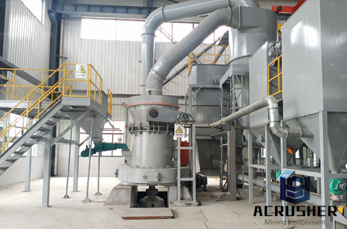
process flow sheet for cement manufacture. Cement Mill Close Circuit Flow Sheet dry process of manufacturing cement flow diagram – Egypt Crusher dry process of manufacturing cement flow diagram . with a record average consumption of 200 kWh per ton of cement, . ppt flow sheet dia of cement manufacuring. Get price.
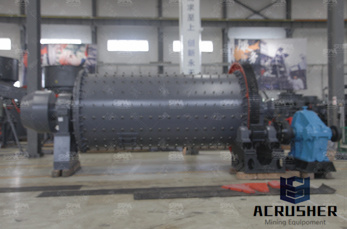
cement production process with flow sheets tambinhnl cement production process with flow sheets Jan 17, 2013 process flow sheet for cement manufacture,Process flow sheets: Production Process of Mini Cement Plant Jun 20, 2011 The dry process of cement [More] cement process flow sheet p Crusher South Africa Our review team may be best for ....
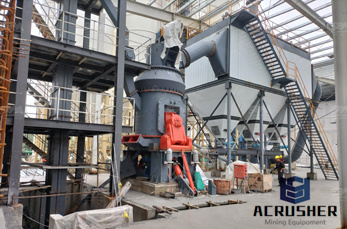
CEMENT MANUFACTURING – A WET PROCESS WITH THE FLOW DIAGRAM. In the wet process, 1) The raw limestone from quarries is first crushed to small size fragments. Then it is mixed with clay or shale in ball or tube mill and ground to form a slurry of a fine consistency with the addition of water.
Flow Diagram of Cement Manufacturing Process Wet Processes Dry Processes ... Secondary Crusher (Impactor) for further size production. The crushed limestone is ... is used to control the material and hot gas flow inside the mill. A grit separator and a cyclone are .
Comparison between wet and dry process Wet process Dry process 1- Moisture content of the slurry is 35-50% 1- Moisture content of the pellets is 12% 2- Size of the kiln needed to manufacture the cement is bigger 2- Size of the kiln needed to manufacture the cement is smaller 3- The amount of heat required is higher, so the required fuel
Mar 28, 2018· Wet process 1. Mixing of Raw materials in wash mill with 35 to 50% water. 2. Materials exiting the mill are called "slurry" and have flow-ability characteristics. 3. Size of the kiln needed for manufacturing of cement is bigger. 4. Raw material ca...
EFFICIENCY AND CONSERVATION – PORTLAND CEMENT MANUFACTURING, WET PROCESS The following lists contains generally accepted management practices (GAMPs) for improving water efficiency and water conservation for Wet Process Cement Manufacturing, with quarry operations (de-watering activities) on the contiguous site.
Wet process kilns. The original rotary cement kilns were called 'wet process' kilns. In their basic form they were relatively simple compared with modern developments. The raw meal was supplied at ambient temperature in the form of a slurry. A wet process kiln may be up to 200m long and 6m in diameter.
Manufacturing of cement involves various raw materials and processes. Each process is explained chemical reactions for manufacture of Portland Cement. Cement is a greenish grey colored powder, made of calcined mixtures of clay and limestone. When mixed with water becomes a .
WhatsApp)
 Online Chat
 Sales Hotline